
Blog
What We Actually Do on a Service Call in San Luis Obispo
A look at what a San Luis Obispo service call covers, from spring and track checks to adjustments suited to this area's 1980s-era housing and mild climate.
When Waiting Is Fine
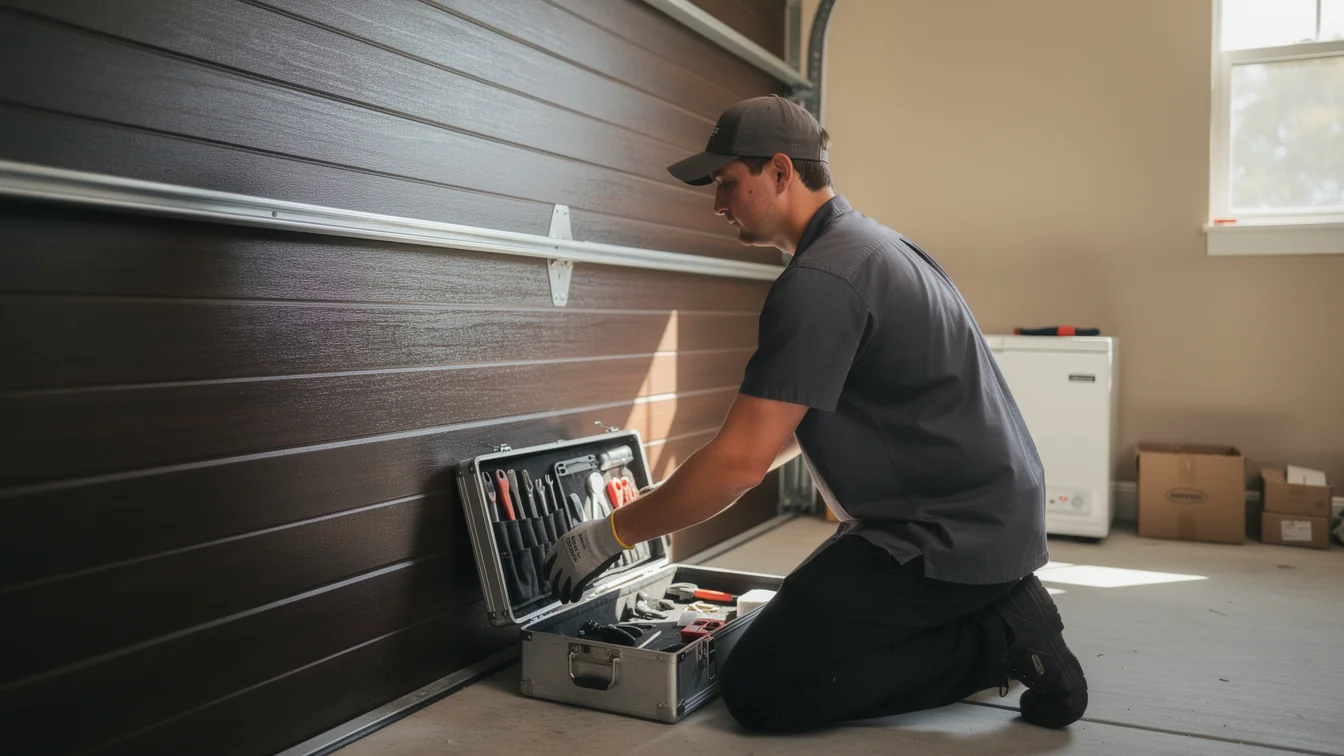
Not every squeak or hesitation means you need a truck in your driveway today. A door that opens a half-second slower than it used to, or makes a new rattle on the way down, is usually just telling you a roller or hinge bolt has worked loose - common on doors from the 1980s and 90s, which make up most of the stock across the fifteen areas we work in. If the door still opens smooth, reverses on contact, and the springs still have tension, you've got time. We'd rather you call once and get it right than call every time a bracket pings. That said, waiting is only fine if the door is still behaving the way it should. A door that's starting to sag on one side, or that needs a shove to get moving, has moved past the "it can wait" category even if it still technically works. Most of what we see on a service call that could've waited is lubrication and minor hardware - a five-minute fix that homeowners let turn into a bigger one by ignoring it for a year.
How Local Conditions Play In
San Luis Obispo sits in a mild temperate band, and that matters more than people think. We don't get the deep freeze-thaw cycles that crack torsion springs and seize bearings in colder parts of the country, so when a spring fails here, it's almost always from cycle count and age, not weather stress. That's actually the harder thing to diagnose on sight - a spring can look fine and still be days from snapping. The bigger local factor is the housing stock itself. Homes in this service area were built mostly between 1973 and 2012, with the median landing around 1982, so a huge share of the openers and torsion systems we work on are original or close to it. Across the fifteen named areas we cover, that 1980s-90s stock is the norm, not the exception. That means parts that haven't been manufactured in decades, drums that don't match current standard sizing, and openers with chain drives nobody services anymore. The mild climate keeps the wear slow and steady rather than sudden, which is good news - it just means the failure point tends to sneak up instead of announcing itself.
When to Get Help
Call when the door won't stay up on its own - that's a spring that's lost tension, and it's not a wait-and-see situation on a door this old. Call when a cable looks frayed or has come off the drum, when the door is visibly crooked in the opening, or when the opener strains and reverses without an obstruction. On houses from the 1982-median stock we see constantly, a stuck or binding track is often paired with a worn roller that's been grinding the rail slowly for years, not something that happened overnight. If the opener motor is original to a house built in the 1980s or 90s, replacing it is usually the honest call rather than chasing parts for a unit that old - we don't stock parts for every discontinued chain-drive opener, and sourcing them can take longer than most people want to wait. That's the one limitation worth naming up front: some original equipment from this era just isn't serviceable anymore, and a service call on it ends with a replacement recommendation, not a repair.
The Situation
San Luis Obispo Garage Door Pros works a service area built mostly between 1973 and 2012, with the bulk of homes dating to the early 1980s, spread across fifteen named areas with similar-age stock. The area holds 53,311 households, with 27,123 of those owner-occupied houses - the kind of door and opener setup that's been in place since the original build in a lot of cases. Median household income here runs $103,381, which tends to mean people replace rather than patch once a door's hardware is clearly past its service life, rather than running it into total failure. The towns nearest to us - Los Ranchos four miles out, Avila Beach at six, Pismo Beach at eight, Los Osos and Santa Margarita around nine - sit in the same mild climate band, so the wear pattern on their housing stock tracks closely with what we see here. Farther out, toward Nipomo at nineteen miles or Atascadero at fifteen, the same era of construction shows up again and again. A service call here is shaped by that: older original hardware, a climate that's gentle on parts but doesn't stop the clock, and homeowners who'd rather fix it once than keep calling.
Questions
Common questions
Is it normal for a garage door opener from the 1980s to still be running?
Yes - a lot of the housing stock in this service area dates to right around 1982, and original chain-drive openers from that era are still common. They often still work, but parts for them are getting harder to find, so when something fails, replacement is frequently the more practical answer than a repair.
Does San Luis Obispo's climate wear out garage door springs faster?
Not from weather extremes - this is a mild temperate climate without the freeze-thaw cycling that cracks springs in colder regions. Here, springs fail mainly from age and total open-close cycles, which means the failure can be harder to see coming since there's no obvious weather-related warning sign.
How do I know if my door's noise is something to ignore or call about?
A new squeak with normal smooth operation and reversal is usually just a loose roller or hinge, common on the 1980s-90s stock typical of this area. If the door sags, binds, needs force to move, or won't hold its position unassisted, that's a spring or cable issue and worth a call.
Recommendation
You Might Also Like
More garage door guides for San Luis Obispo homeowners.
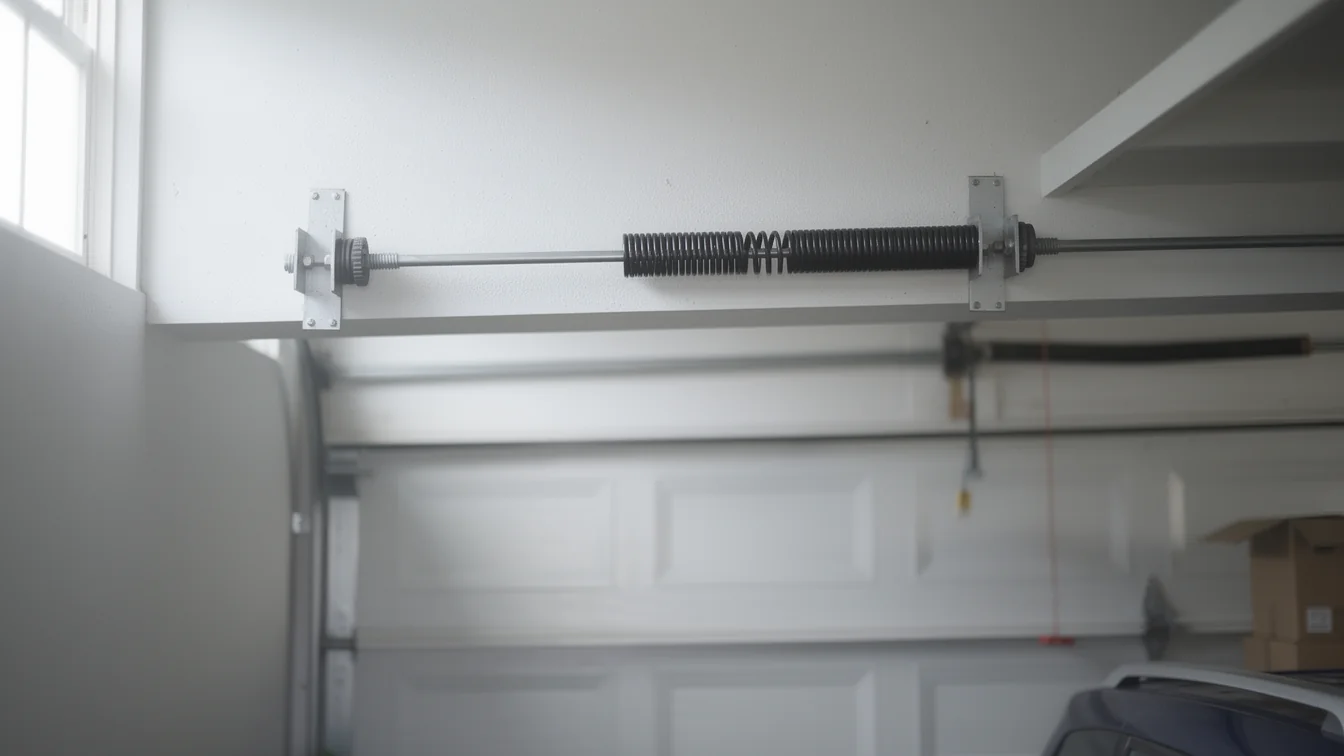 Does a Broken Spring Really Need a Same-Day Call Here
A look at how San Luis Obispo's mild climate and 1973-2012 housing stock change the math on a broken spring, loud opener, or stuck track.
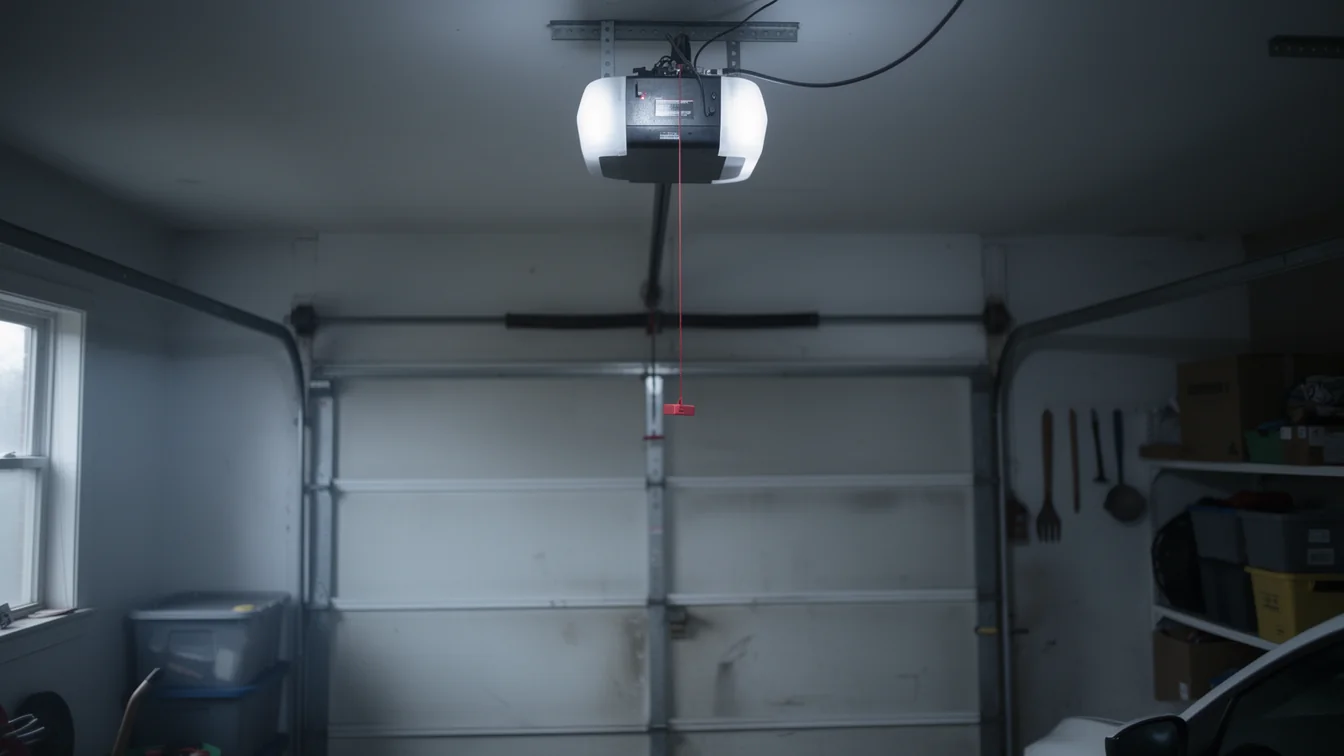 Openers, Power Cuts, and Your Garage Door in San Luis Obispo
How San Luis Obispo's 1980s-era housing stock and mild climate affect garage door openers during power cuts, and when a stalled door is actually urgent.
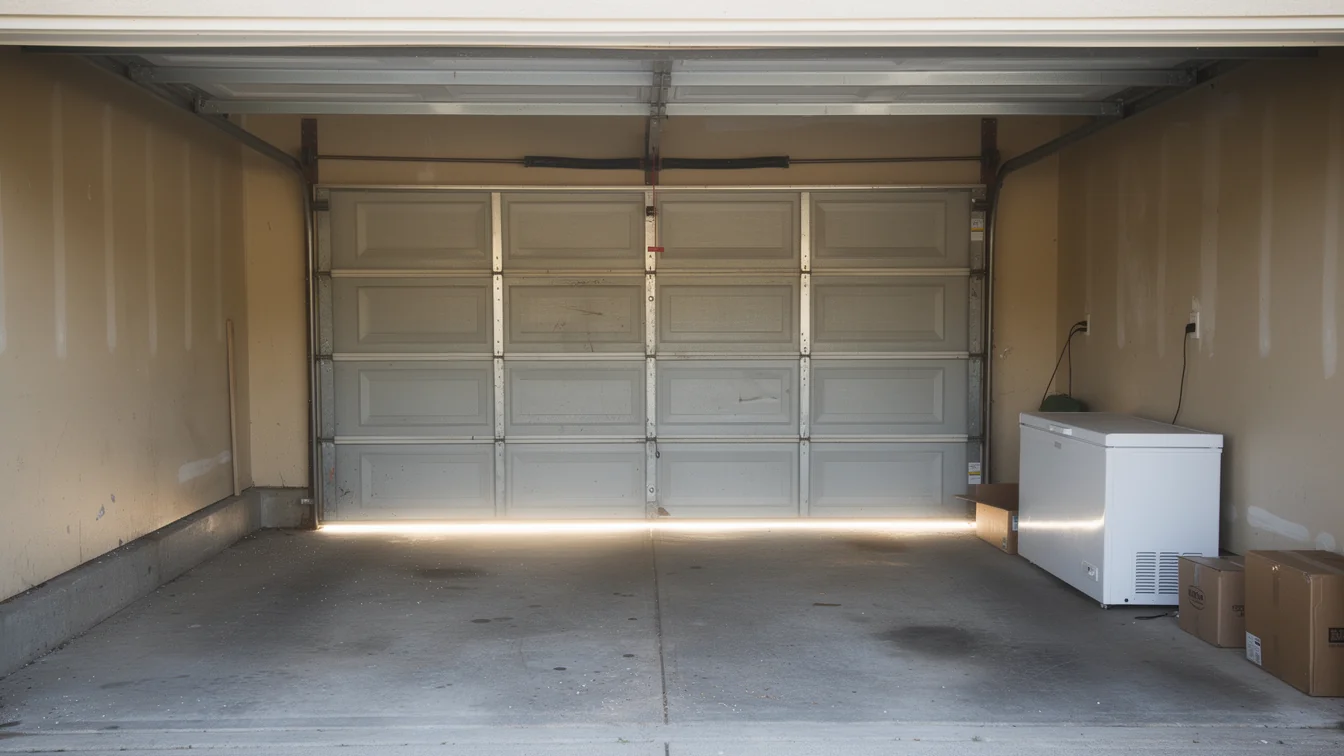 Garage Door Wear in San Luis Obispo: What's Normal, What's Not
A look at how San Luis Obispo's 1973-2012 housing stock and mild climate shape garage door wear, and when a quirky door is fine to leave alone.
Ready when you are
Need a garage door sorted in San Luis Obispo?
San Luis Obispo Garage Door Pros repairs and installs garage doors, springs and openers in San Luis Obispo, CA and the surrounding area.