
Blog
Does a Broken Spring Really Need a Same-Day Call Here
A look at how San Luis Obispo's mild climate and 1973-2012 housing stock change the math on a broken spring, loud opener, or stuck track.
When Waiting Is Fine
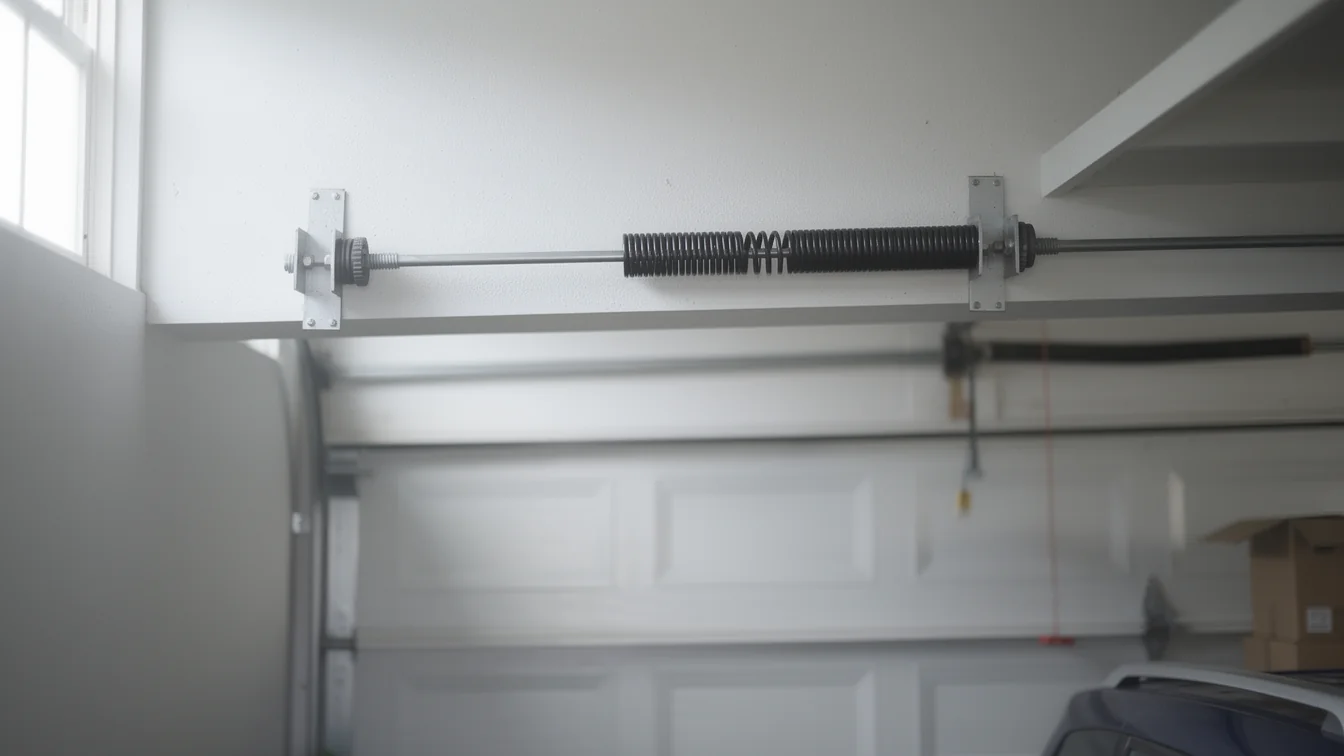
San Luis Obispo sits in a mild temperate band, and that changes some of the usual urgency rules you'd hear elsewhere. A torsion spring that's lost a few coils of tension but still lifts the door halfway isn't an emergency here the way it would be somewhere that drops below freezing most winter nights. Steel doesn't contract and seize the way it does in a hard freeze, so a door that's stiff but moving usually has a day or two of slack in it before something snaps outright.
Most of the houses in this service area went up between 1973 and 2012, with the bulk of the stock dating to the 1980s and 90s across the fifteen named areas we cover. That means a lot of original torsion hardware is now thirty-plus years old and simply tired rather than damaged. A door that groans on a mild SLO morning but still opens is often fine to park and wait on a scheduled visit rather than treat as a breakdown.
The one thing we won't tell you to wait on is a cable that's frayed at the drum or a spring that's already separated. Those aren't a timing question. Everything else - a slow roller, a noisy opener gear, a track that's slightly out of plumb - can usually sit until the next available slot without getting worse overnight.
How Local Conditions Play In
Because this area doesn't see the freeze-thaw cycling that cracks concrete and shocks metal elsewhere, springs here tend to fail from fatigue and age rather than from a sudden cold snap. A 1980s torsion spring sized for a lighter door and fine-tuned decades ago just winds down after enough cycles - no dramatic weather event required.
What the mild climate band does mean is that lubrication and moisture matter more than temperature swings. Houses built in the 1982 median-year range often still run factory hardware, and in a climate that doesn't force annual expansion and contraction, owners can go years without a spring complaint and then have one let go all at once, because nothing forced an earlier check.
We don't push cold-weather tune-ups here the way a shop in a harder climate would, because there isn't a hard freeze to prep for. What we do see is salt air reaching inland enough to pit exposed hardware on older tracks and hinges, which shows up as surface rust well before it shows up as a functional problem. That's worth a look on any door past the twenty-year mark, not because of cold, but because of age and air.
When to Get Help
Call when the door won't move at all, when a cable has jumped the drum, or when a spring has visibly separated - you'll usually see a clean gap in the coil. Those aren't wait-and-see situations regardless of the season.
Also call if the opener runs but the door doesn't lift evenly, or if it reverses partway for no clear reason. On houses from the 1980s and 90s stock common here, that's frequently a spring that's lost tension unevenly on one side of a double door, not an opener fault, and running it repeatedly can bend the top panel or strip the drum.
What we won't do is replace a working spring just because it's old. If it's still cycling smoothly and holding tension, we'll tell you that and let you decide on timing. Replacement makes sense when a spring is near end of cycle life or already showing wear, not on a calendar schedule.
The Situation
Across the service area there are roughly 53,311 households and about 27,123 owner-occupied houses, with median household income around $103,381. That income level shows up in what we see on the truck: more owners choosing full spring and track replacement over patchwork fixes once a door is past its service life, rather than stretching a repair another year.
The area runs from Los Ranchos four miles out to Nipomo at nineteen, with Avila Beach, Pismo Beach, Los Osos, Santa Margarita, Grover Beach, Arroyo Grande, Oceano, Morro Bay, Los Berros, Atascadero, Cayucos, Woodlands, Callender, and El Camino Real in between. That's a wide spread of housing ages and coastal versus inland exposure, which is part of why we look at the actual door and hardware in front of us rather than apply one standard timeline to every job.
We work on San Luis Obispo Garage Door Pros jobs across that range, but a 1970s door in a drier inland pocket and a 1990s door closer to the coast can be at very different points in their service life even if they're the same age on paper.
Questions
Common questions
Does the mild SLO climate mean my garage door springs last longer?
Often yes. Without hard freeze-thaw cycling, springs here tend to fail from age and cycle count rather than sudden cold-weather stress. A lot of the 1980s and 90s torsion springs in this area are still running, just slower, which is why waiting a day or two for a stiff-but-working door is usually fine.
My house was built in the 1980s - is the original spring still safe?
It can be, but it's worth a look. A spring from the median 1982 build year has had decades of cycles. It may still be fine, or it may be near the end of its life. We'll tell you honestly which one it is rather than replace it on principle.
Is coastal air near Avila Beach or Morro Bay harder on garage doors?
Salt air reaching inland can pit exposed hardware - tracks, hinges, unpainted spring coils - faster than it would further from the coast. It shows up as surface rust before it becomes a functional issue, so doors closer to the coast are worth checking a bit more often.
Recommendation
You Might Also Like
More garage door guides for San Luis Obispo homeowners.
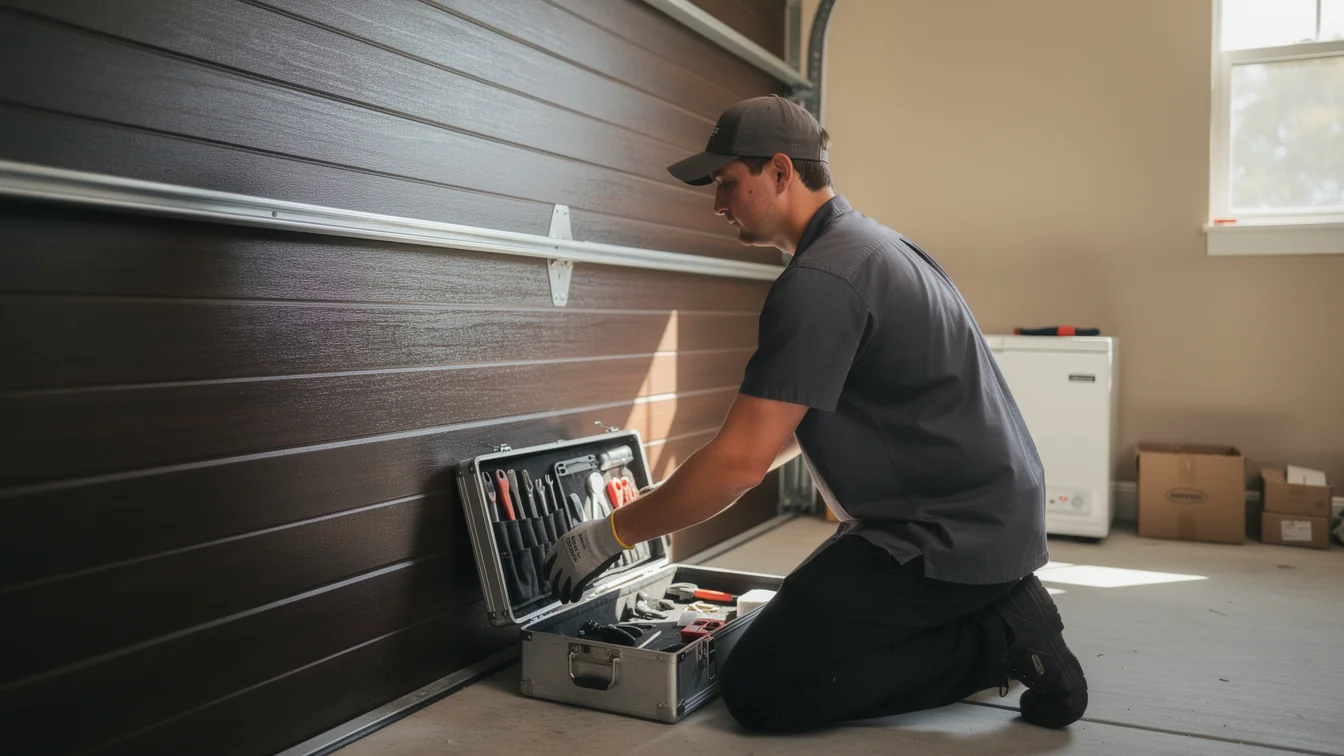 What We Actually Do on a Service Call in San Luis Obispo
A look at what a San Luis Obispo service call covers, from spring and track checks to adjustments suited to this area's 1980s-era housing and mild climate.
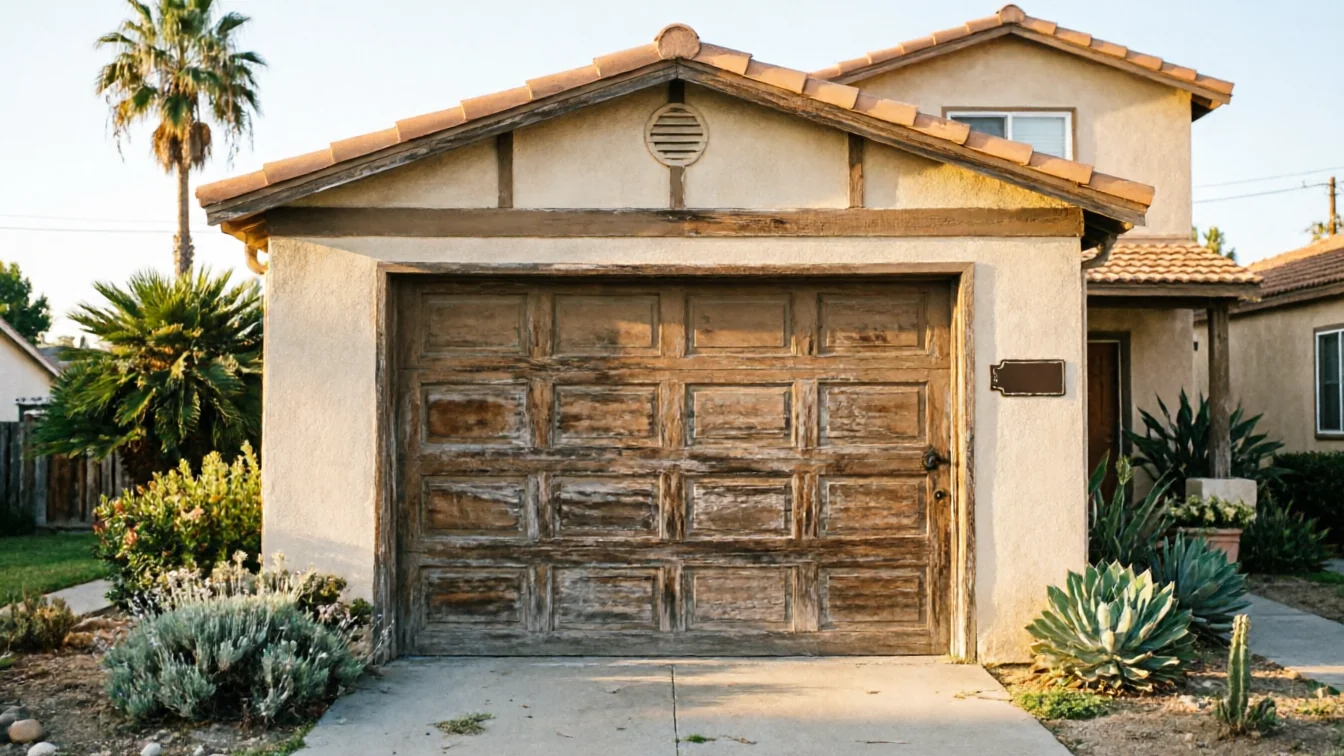 Is Your Garage Door Worth Fixing, or Done?
A look at what repair versus replacement really means for San Luis Obispo's 1970s-2012 housing stock, mild climate, and the parts that wear out first on doors this age.
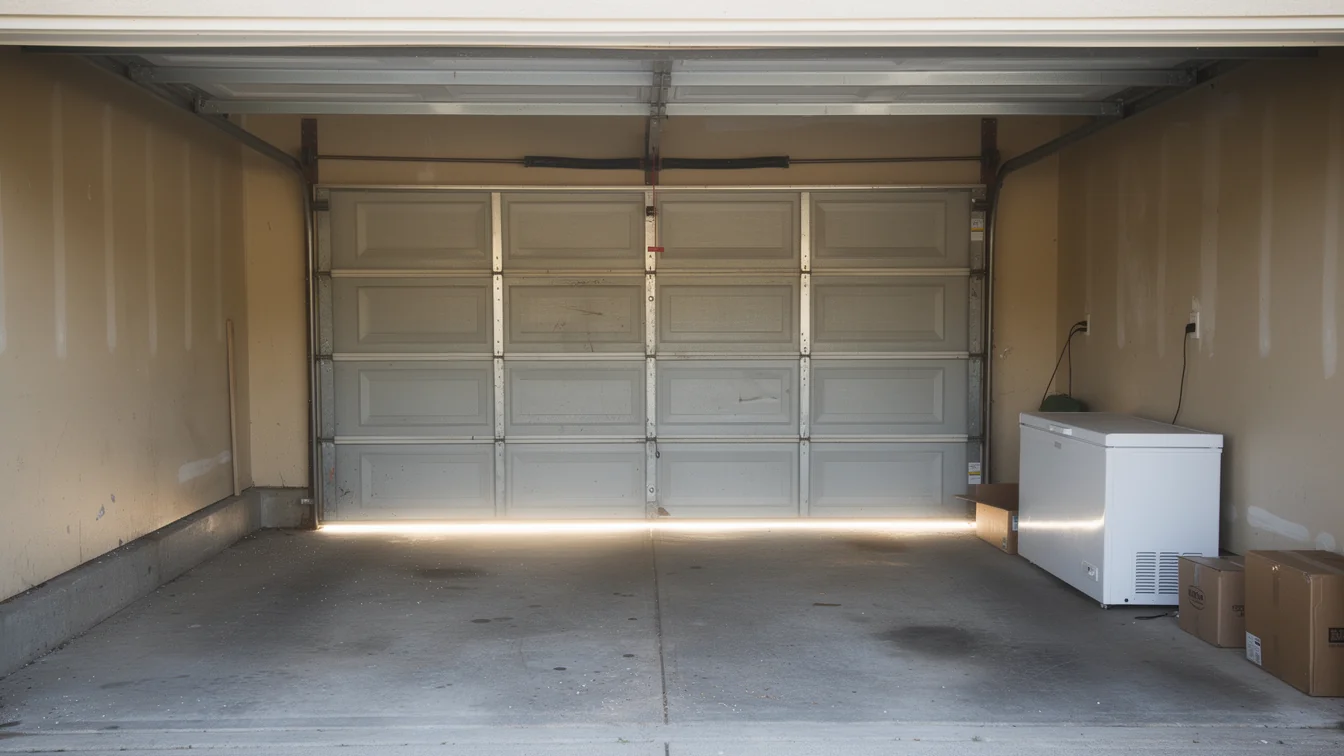 Garage Door Wear in San Luis Obispo: What's Normal, What's Not
A look at how San Luis Obispo's 1973-2012 housing stock and mild climate shape garage door wear, and when a quirky door is fine to leave alone.
Ready when you are
Need a garage door sorted in San Luis Obispo?
San Luis Obispo Garage Door Pros repairs and installs garage doors, springs and openers in San Luis Obispo, CA and the surrounding area.